Navigating Residential Treatment
 Nov. 2, 2026

Licensed in: Alabama, Alaska, Arizona, Arkansas, Australia, Brazil, California, Canada, Colorado, Connecticut, Delaware, District of Columbia, Florida, Georgia, Ghana, Hawaii, Idaho, Illinois, Indiana, Indonesia, Iowa, Israel, Italy, Kansas, Kentucky, Louisiana, Maine, Maryland, Massachusetts, Mexico, Michigan, Minnesota, Mississippi, Missouri, Montana, Nebraska, Nevada, New Hampshire, New Jersey, New Mexico, New York, North Carolina, North Dakota, Norway, Ohio, Oklahoma, Oregon, Pennsylvania, Rhode Island, Serbia, South Africa, South Carolina, South Dakota, Tennessee, Texas, United Kingdom, Utah, Vermont, Virginia, Washington, Washington, DC, West Virginia, Wisconsin, Wyoming
You must live in one of these states or regions to work with this provider.
No insurance accepted
Private pay rate: $275
Higher Level of Care & Complex Clinical Consultation
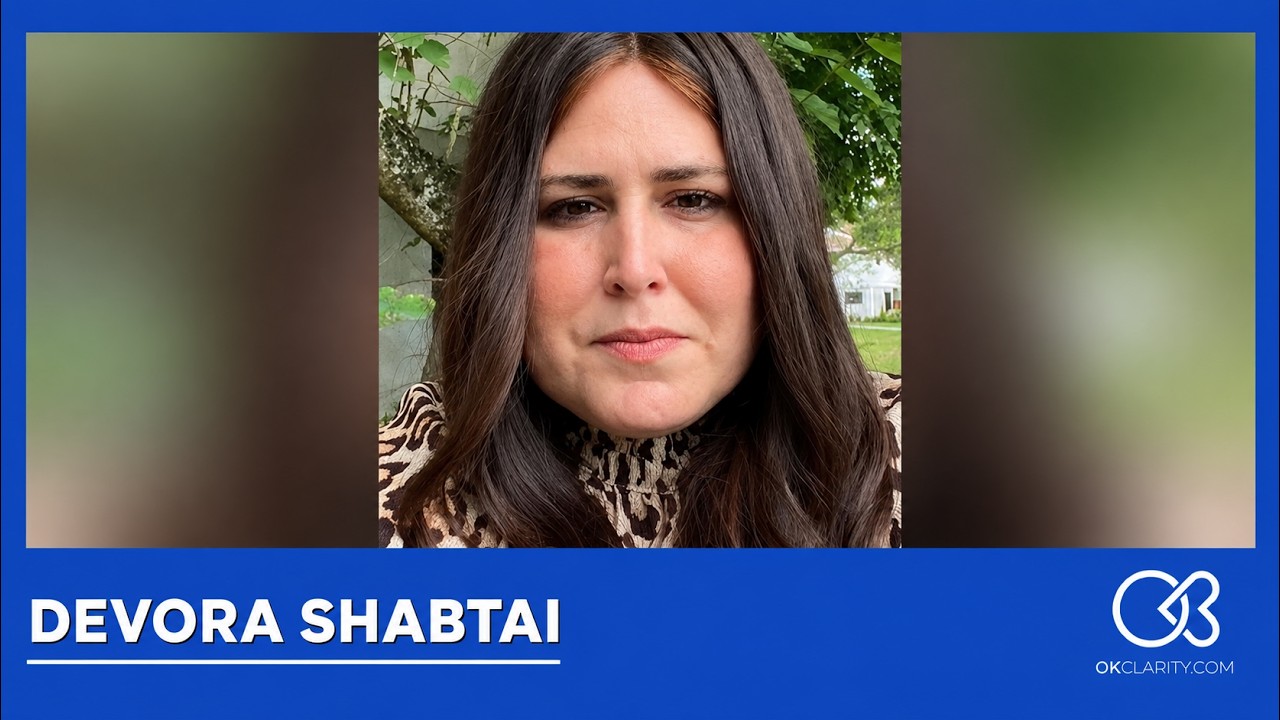
For over a decade, I've worked in residential treatment, helping individuals and families navigate complex mental health and addiction challenges, particularly when the underlying difficulties are not easily understood or addressed.
Much of my work has involved developing specialized treatment programming, particularly for individuals from Orthodox Jewish backgrounds, and bridging the gap between clinical treatment and family, cultural, and religious factors.
What has always drawn me to this work is the complexity of understanding people. Throughout my career, I've seen how easily individuals can be misunderstood when their difficulties are viewed through a single lens. What appears to be addiction, resistance to treatment, emotional instability, or an inability to function may reflect a much more complicated interaction of psychiatric symptoms, neurodevelopmental differences, trauma, personality, attachment, and environmental factors. I've come to believe that some of the most important clinical work happens before we ever decide what treatment someone needs, when we take the time to understand what is actually driving their difficulties.
This becomes especially important when families are trying to determine whether a loved one needs a higher level of care.
Should they consider residential treatment?
Is a psychiatric evaluation warranted?
Would specialized therapy, neuropsychological testing, or an intensive outpatient program be more appropriate?
Too often, the question becomes "Where should we send them?" before anyone has adequately explored "What is actually happening, and what kind of help do they need?"
Helping families navigate that distinction and make treatment decisions grounded in a deeper understanding of the individual has become one of the most meaningful parts of my work.
My consultation services help individuals, families, therapists, and referring professionals navigate complex clinical situations and determine the most appropriate next steps.
Rather than simply matching a diagnosis with a treatment facility, I look at the broader clinical picture, considering psychiatric and substance use symptoms alongside developmental history, trauma, attachment, neurodivergence, personality, family dynamics, cultural context, and previous treatment experiences. I'm particularly interested in identifying what may have been overlooked or misunderstood, especially when someone has already participated in treatment without meaningful progress.
Sometimes this process points toward residential treatment, psychiatric hospitalization, or another higher level of care. Other times, it suggests the need for a more specialized evaluation, a particular therapeutic approach, or a carefully coordinated outpatient plan. When more intensive treatment is indicated, I help families evaluate programs based on their clinical philosophy, expertise, structure, and suitability for the individual's specific needs.
For families within the Orthodox Jewish community, these decisions can carry additional complexities involving religious identity, cultural expectations, family relationships, and differing approaches to young people in crisis. I frequently help families reconcile attachment-informed, relationship-centered approaches with psychiatric and clinical recommendations, recognizing that maintaining connection and seeking intensive treatment are not mutually exclusive. At the same time, not every treatment environment or philosophy is appropriate for every individual, making thoughtful evaluation of the program itself just as important as determining the level of care.
My approach is grounded in the belief that effective treatment is not simply about identifying the right diagnosis or finding an available program. It's about developing a sufficiently nuanced understanding of the person to determine which interventions are most likely to facilitate meaningful, sustainable change.
Consultations begin with a comprehensive discussion of the concerns that prompted you to seek guidance. We'll explore the individual's current presentation, relevant psychiatric and developmental history, previous treatment experiences, family dynamics, and any existing diagnoses or recommendations.
I'll help you think through the clinical picture, identify areas that may warrant further assessment, and consider whether the challenges you're seeing are best addressed through psychiatric care, specialized outpatient treatment, residential programming, or another level of intervention.
When higher-level care is appropriate, I can help you understand the differences between treatment options, evaluate prospective programs, and consider the questions that matter most when determining clinical fit. This may include the program's therapeutic philosophy, psychiatric resources, experience with particular diagnoses, approach to family involvement, and ability to accommodate relevant cultural or religious needs.
I also recognize that families often seek consultation after months or years of uncertainty, unsuccessful treatment attempts, or conflicting recommendations from professionals. My role is to help organize that complexity into a clearer clinical understanding and a practical path forward, without losing sight of the individuality of the person at the center of these decisions.
My hope is that you leave our sessions not simply with a list of treatment options, but with a better understanding of what your loved one may need, why particular interventions make sense, and how to move forward with greater clarity and confidence.
For over a decade, a significant focus of my work has been helping Orthodox Jewish individuals and families navigate addiction, psychiatric challenges, and the need for higher levels of care. In addition to developing and overseeing specialized Jewish treatment programming, I've worked closely with families, therapists, rabbanim, and community organizations to help navigate complex clinical situations and treatment decisions.
This experience has given me a firsthand understanding of the unique challenges that can arise when conventional mental health treatment intersects with religious identity, cultural expectations, family relationships, and community values. I've seen how well-intentioned clinical recommendations can sometimes overlook important relational or cultural dynamics, just as I've seen families delay necessary treatment out of concern that seeking intensive care will undermine attachment, autonomy, or their loved one's connection to the family.
Having worked within both the clinical treatment system and the Orthodox community, I understand the importance of bridging these perspectives rather than treating them as competing philosophies. I also recognize that cultural sensitivity requires more than providing kosher food or accommodating religious observance. It means understanding the individual within the context of their experiences, relationships, and personal connection to Judaism, while recognizing the considerable diversity that exists within the community.
My goal is to help families make clinically sound treatment decisions that account for these complexities without allowing cultural assumptions, religious expectations, or conventional treatment models to substitute for a thoughtful understanding of the person involved.
10 years in practice
$275
Nov. 2, 2026
If you cannot confirm these, please return to the directory and use filters to find a better fit, or fill out our Match Me form for help.
Not a professional member yet? Get listed!