 In-Office





If you cannot confirm these, please return to the directory and use filters to find a better fit, or fill out our Match Me form for help.


Psychotherapy helps people develop the courage to face and overcome their fears.
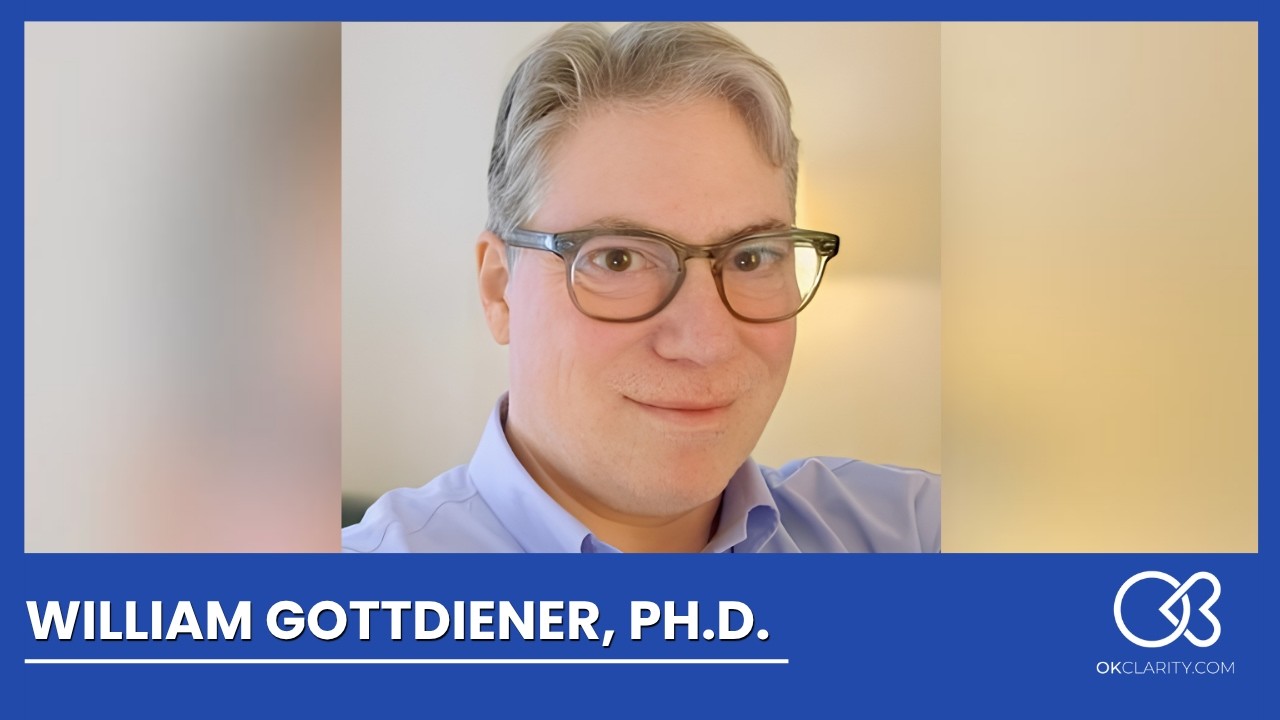
William H. Gottdiener, Ph.D., ABPP's style
💙 Warm 💪 Challenging 👂 Listener 🤝 CollaborativeWhy William H. Gottdiener, Ph.D., ABPP chose to be in the helping profession
I became interested in psychology and psychotherapy through my father, who was a psychologist and psychoanalyst. That early exposure sparked a lasting curiosity about people and what shapes the way we think, feel, and relate to one another. I later majored in psychology in college and worked as a nursing assistant in a psychiatric hospital before going to graduate school. I also completed my own psychotherapy and psychoanalysis, which became an important part of my understanding of what it is like to be on the other side of the therapeutic relationship.
Over the years, I became fascinated with trying to understand why and how people avoid awareness of their own feelings, thoughts, and attitudes. I became particularly interested in how that avoidance can contribute to difficulties in relationships, school, work, and other areas of life, sometimes robbing people of their capacity to enjoy life. I learned through my training and experience that people can go a long way toward resolving their problems by becoming more aware of their feelings, thoughts, and attitudes and by having the opportunity to share and explore them with a psychotherapist. For me, psychotherapy is ultimately about creating the space and relationship that allows people to understand themselves more deeply and make meaningful changes in their lives.
William H. Gottdiener, Ph.D., ABPP's approach
I specialize in psychodynamic psychotherapy, which is an empirically supported treatment. I work with people suffering from a range of psychological problems, including anxiety, depression, relationship problems, stress, loneliness, addictions, personality disorders, and more. Many of the people I work with are interested not only in feeling better in the short term, but in obtaining a deeper understanding of their problems and working toward a thorough resolution of them. Psychodynamic therapy provides an opportunity to look beneath the surface and explore the feelings, thoughts, attitudes, and patterns that may be contributing to the difficulties a person is experiencing.
I believe that developing a deeper understanding of yourself can be an important part of creating lasting change. Together, we can explore what may be difficult to recognize or understand on your own and begin to make sense of how past and present experiences may be connected. My goal is to help you become more aware of what is happening within you so that you have greater freedom to make choices rather than continuing to be guided by patterns that may operate outside of your awareness. You can learn more about the research support for psychodynamic psychotherapies at psychodynamic-research.com.
What you can expect from sessions with William H. Gottdiener, Ph.D., ABPP
Our initial meeting consists of a comprehensive psychiatric evaluation. This first session lasts two hours and gives us the opportunity to dive deeper into understanding why you are seeking psychotherapy now and what you hope to achieve. I will ask detailed questions so that we can develop a thorough picture of your current challenges, past experiences, and therapeutic goals. This evaluation helps us create a clear roadmap for our work together while making sure that the treatment approach is tailored specifically to your needs.
The initial two-hour session also gives us a chance to determine whether I provide the type of therapy you are looking for and whether I am the right therapist for you. It gives you a strong opportunity to get a better sense of what ongoing therapy with me might be like and to experience how we work together. I follow the initial session with a 50-minute follow-up session two or three days later, which is my standard session length. This gives us a chance to explore what reactions you had to the initial therapy experience and to begin ongoing therapy if we both agree that it makes sense to do so. Having a session shortly after the initial meeting can also help us capitalize on any positive momentum that developed during that first session.
I generally offer the initial sessions on Tuesdays from 10:00 a.m. to 12:00 p.m. Eastern Time, with the follow-up session on Thursdays from 10:00 a.m. to 11:00 a.m. Eastern Time. In our ongoing 50-minute sessions, you will take the lead on what we talk about. I encourage you to bring whatever is on your mind, even if it seems unrelated to your initial reasons for seeking therapy. While our first session helps us establish some initial insights into your goals and challenges, our ongoing sessions provide a space for deeper and more unfiltered exploration.
I have found that what might initially seem like a random thought, feeling, or story often connects to important patterns in your life. My role is to listen deeply, notice patterns that you might not see, and create a space where you can explore difficult thoughts and feelings safely. We are partners in this process, working together to help you understand yourself more fully and make different choices when you are ready. I think of our sessions like following an intricate, personal map where you are holding the compass. I am here to help you read the terrain, understand the landscape of your experiences, and support you in uncovering the hidden “shoulds” and “oughts” that may have been quietly directing your life, often without your awareness.
William H. Gottdiener, Ph.D., ABPP's experience working with the Jewish community
I have worked with people in the Jewish community for my entire career. My clients range from those who identify as Secular Jews to those who identify as Orthodox Jews, and I have had the opportunity to work with people across a wide range of Jewish backgrounds and experiences. I understand that there is no single way to be Jewish and that each person's relationship with Judaism, community, family, culture, and identity can be different. My goal is to meet each person where they are and to understand their individual experiences rather than making assumptions about what their Jewish identity means to them.
My Jewish clients have come from a wide range of backgrounds. They include White, Asian, Ashkenazi, Sephardic, Arab/Mizrahi, and adopted Jews, as well as LGBTQ+ clients and those in interracial and interfaith relationships. I value the opportunity to work with people whose experiences and identities may not fit neatly into one category. Whatever your background or relationship to the Jewish community, I want our work to be a place where you can speak openly about the parts of your life that matter to you and explore your thoughts and feelings without feeling that you need to fit into someone else's expectations.
William H. Gottdiener, Ph.D., ABPP's Book Recommendation Zone
- The Examined Life
Discusses a Psychotherapist's Experience of His Work - Love's Labour
Discusses Relationships from a Psychotherapist's View - The Gambler
Novel about Gamblers and the Gambles People Take in Life
Approaches
Concerns
25 years in practice
Licenses
- Psychologist by NY 2001. License number 014843
- Psychologist by VT 2026. License number 048.0135362
Degrees
- PhD by The New School for Social Research 2000
Awards
- Research and Scholarship Award by APA Division of Psychoanalysis 2015
- Fellow by The American Psychological Association 2008
Certificates
- Board Certification in Addiction Psychology by American Board of Professional Psychology 2025
- Board Certification in Psychodynamic and Psychoanalytic Psychology by American Board of Professional Psychology 2019
- Board Certification in Psychoanalysis by American Board of Professional Psychology 2019
Affiliations
- Professor Emeritus by The City University of New York 2026
- Guest Faculty by The New York Psychoanalytic Institute 2015
Average costs per session
$275 - $400
Payment Methods
- Cash
- Credit Card
Insurances
- Aetna
- Optum