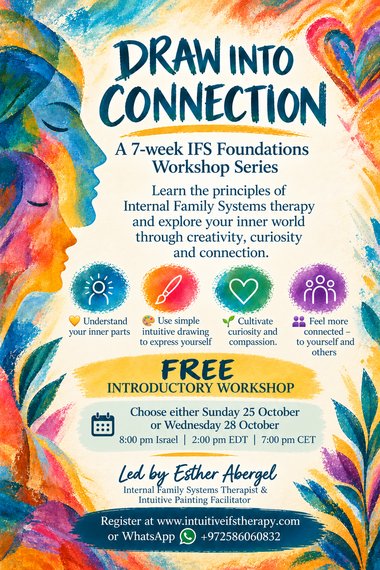

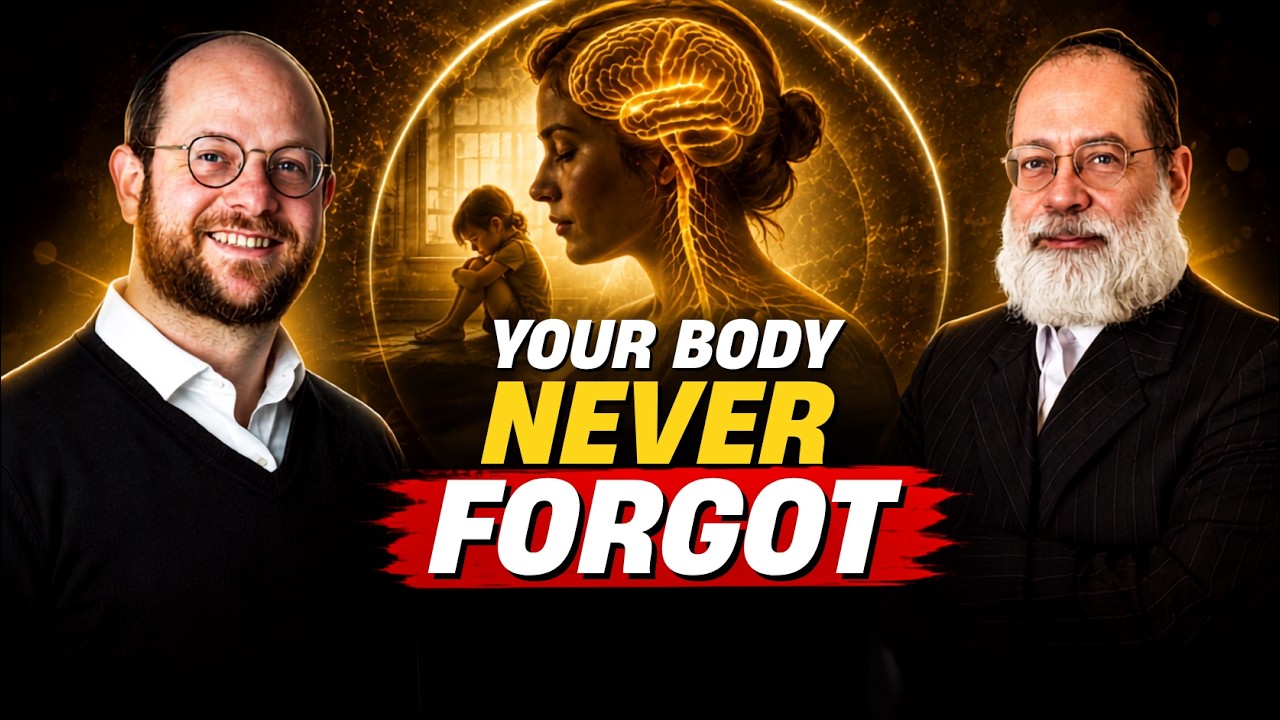
Your Body Never Forgets Mendy Klein Moshe Normen
 Sept. 25, 2026


 Brooklyn
"My approach is eclectic, meaning I thoughtfully tailor each session to the unique needs, personality, and background of the individual sitting across from me. I don’t believe in a one-size-fits-all method — people are complex, and so the …
 Brooklyn
"At ADO Psychology Center, our approach is deeply rooted in compassion and evidence-based methods that foster personal growth and recovery. We draw from a evidence-based modalities, including Cognitive-Behavioral Therapy (CBT), Acceptance and Commitment Therapy (ACT), and Dialectical Behavior …
 Cedarhurst
"I bring an empathic and gentle presence to my work with individuals and families navigating a wide range of life transitions and adversities. At the heart of my approach is a deep respect for the therapeutic relationship—I believe …

"My approach is centered on understanding the whole person – not just the symptoms or behaviors, but the deeper story beneath them. I help clients explore what internal and external factors may have made them especially vulnerable to …
 Brooklyn
"One thing I’ve learned over the years is that there’s no “one size fits all” in psychotherapy, because every person has their own personality and life experience. I respect that, so I’ve put in a lot of time …
 Hollywood
"My approach is warm, client-centered, and grounded in acceptance and curiosity. I meet clients where they are and use creative modalities and conversation to support them in exploring and processing their thoughts, feelings, and experiences while recognizing their …
 Cedarhurst
"Our work is focused on helping you reconnect—not just manage conflict, but truly feel like a team again. We identify and shift the deeper relational patterns driving conflict, disconnection, and emotional distance. Rather than staying at the surface, …

"In psychology, there are many approaches that have been shown to be effective, but no single method works for everyone or every problem. I use research-based methods as a starting point, and tailor that to your specific challenges …

"My approach to health and wellness coaching is rooted in compassion, encouragement, and accountability. I know that lasting change comes from small, consistent steps, so I focus on helping clients create sustainable shifts that build over time. Rather …
 Chicago
"I believe that understanding where we have been can help us better understand where we are and where we want to go. My approach is rooted in relational and psychodynamic therapy, which means we explore how your past …
 Manhattan
"My approach is relational, weight-inclusive, and grounded in the belief that you are the expert on your own life. I draw from Cognitive Behavioral Therapy, Dialectical Behavior Therapy, narrative therapy, mindfulness, and Intuitive Eating, weaving together whatever combination …
 Marlboro
"My approach to therapy is rooted in collaboration, expertise, respect, and understanding. I believe therapy is a partnership where we work together to explore your experiences, better understand your challenges, and identify the goals that feel most meaningful …
Sept. 25, 2026
 Sept. 25, 2026

 Sept. 23, 2026

Discover what to expect when starting therapy for self-confidence. Learn how professional support helps you quiet your inner critic, overcome self-doubt, and build lasting self-worth.
Full Article
Sept. 23, 2026

Discover how childhood experiences and early emotional environments shape your adult self-esteem, and learn how therapy can help you heal.
Full Article Sept. 7, 2026

Can your purpose be tied to someone else?I used to think that the reason I existed was because my parents merited to have kids. As if my entire existance was…
Full Article Sept. 3, 2026

Discover how IFS helps you understand inner conflicts, heal emotional wounds, reduce anxiety, build self-esteem, and create greater inner harmony.
Full Article
Discover how integrative therapy combines IFS, CBT, Matrix Reimprinting and trauma release to heal emotional wounds, reduce anxiety and foster lasting change.
Full Article Aug. 12, 2026

Discover kosher substance abuse treatment for Jewish adults, combining addiction care, mental health support, kosher meals, and Jewish spiritual guidance.
Full Article Aug. 10, 2026
Don't just mark time. Time is for living. Every minute of life is precious: live it.
Full Article
July 19, 2026

Complicated & delayed mourning can occur when grief continues for years or appears later than expected. What's normal? What requires help? What can frum people do?
Full Article
The Three Weeks is a mourning season, so some heaviness is normal. Here is how to tell ordinary sadness from depression, and when to reach out.
Full Article
"Those people in therapy just want to blame their parents." "Stop complaining about your childhood and move on." "It's in the past." "It is what it is." Maybe those…
Full ArticleHello and welcome to our dedicated space for discussing and addressing depression within the Jewish community. Our site features a diverse range of professionals, therapists, and content focused on combating and understanding depression in the Jewish community.
When individuals within the Jewish community experience depression, which is often shaped by distinct cultural and religious factors, it represents a specific category of challenges faced by this group. Stigma, spiritual struggles, family dynamics, and community expectations are all examples of factors that can influence the experience of depression in the Jewish community. Often, cultural and religious factors play a role in how depression is perceived and addressed. It can impact individuals' emotional well-being, social functioning, and sense of connection to their Jewish identity.
Watch the videos below to gain insights from Jewish mental health professionals, therapists, and advocates. These resources offer extensive knowledge on addressing depression within the Jewish community, providing expert guidance and culturally sensitive techniques.
Depression is a pressing concern across various communities, with the Jewish community facing its own specific obstacles. While the broader understanding of depression exists, the intricacies of cultural norms, religious practices, and community dynamics within the Jewish community add layers of complexity. Depression within the Jewish community can affect individuals regardless of age, gender, or background, highlighting the need for awareness and targeted interventions.
Effective support and treatment for Jewish individuals experiencing depression necessitate approaches that are culturally and religiously attuned. This encompasses therapy that respects religious beliefs and cultural practices, community support networks that provide a sense of belonging and understanding, and accessible mental health resources. Tailored therapies and interventions are developed to address the specific facets of depression within the Jewish community. It's crucial to seek professional guidance to navigate these challenges effectively, ensuring a path towards healing and improved mental well-being. It's important to note that our professionals are experts in their fields, bringing both specialized knowledge and a deep understanding of cultural nuances to their work
Our directory features professionals, including Therapists, Psychiatrists & Coaches, who offer culturally sensitive support for those navigating Depression within the Jewish community.
Not a professional member yet? Get listed!
