How Childhood Experiences Can Shape Adult Self-Esteem
 Sept. 23, 2026


 Brooklyn
"One thing I’ve learned over the years is that there’s no “one size fits all” in psychotherapy, because every person has their own personality and life experience. I respect that, so I’ve put in a lot of time …

"My approach is centered on understanding the whole person – not just the symptoms or behaviors, but the deeper story beneath them. I help clients explore what internal and external factors may have made them especially vulnerable to …
 Brooklyn
"My approach is eclectic, meaning I thoughtfully tailor each session to the unique needs, personality, and background of the individual sitting across from me. I don’t believe in a one-size-fits-all method — people are complex, and so the …
 Lawrence
"My approach is flexible and personalized to each individual, because no two people or stories are the same. I offer a collaborative and open minded style of therapy where we discuss together which approaches feel most helpful and …

"My approach to therapy is rooted in truly being there for you in the way that you need me. I believe that therapy is not one-size-fits-all, which is why I thoughtfully and carefully intertwine different approaches depending on …

"My approach is integrative, drawing from psychodynamic, CBT, and DBT frameworks. In practice, that means we’ll explore both the why and the how. The why looks at how your past experiences, relationships, and learned patterns continue to shape …
"This group is for you if you sense that something in how you connect with others could be different, even if you can't quite put a finger on what. Maybe you tend to keep things to yourself and …
 Brooklyn
"My approach is rooted in psychodynamic therapy, exploring how your past experiences and relationships shape the way you think, feel, and connect with others today. Together, we'll uncover patterns operating beneath the surface that quietly influence your emotions, …
 New York
"The therapeutic techniques and modalities I employ in my treatment approach include Cognitive Behavioral Therapy (CBT), Dialectical Behavior Therapy (DBT), Interpersonal Therapy, Psychoanalytic Therapy, and Critical Incident Stress Debriefing. With my extensive experience and specialized training across these …

"I'm the Problem: For adults who grew up feeling like too much — or not enough 🫵🏻 This group is for you if: -You want closeness but something always gets in the way.-You've been left, rejected, feel like a …
 New York
"The kind of psychotherapy that I practice involves careful and close listening to the difficulties that manifest themselves in a person’s life, and how those difficulties tend to repeat or consistently present in a variety of contexts. I …
 Cedarhurst
"Our groups are open to females who are seeking emotional balance, resilience, and practical tools to navigate life’s challenges. Each group provides a heart-centered, skill-based environment where participants can build greater awareness, confidence, and connection. The adolescent group …
Sept. 23, 2026

Discover how childhood experiences and early emotional environments shape your adult self-esteem, and learn how therapy can help you heal.
Full Article Sept. 10, 2026
What if one of the lasting effects of a difficult childhood isn't simply what happened—but what you learned to do in order to handle it? Some children learn to please.…
Full Article Feb. 28, 2026
 Nov. 13, 2025

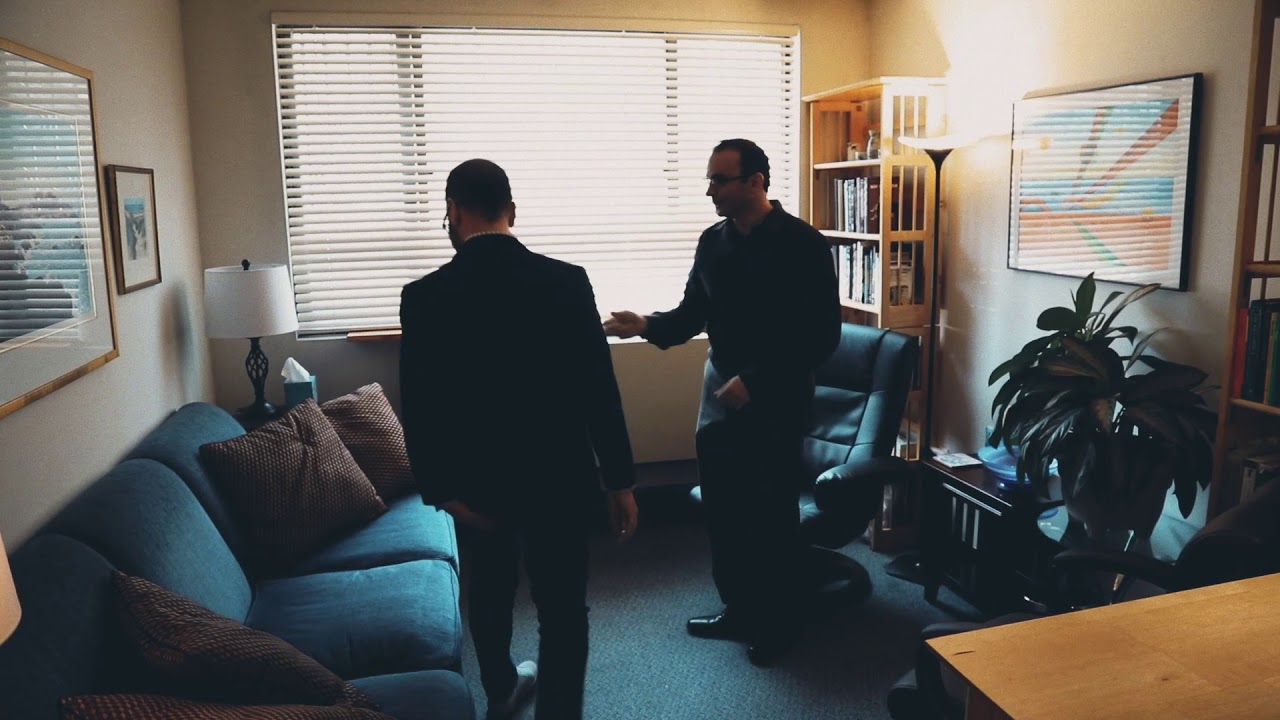
JJ Emanuel, MFT, RP Being a therapist isn’t about having it all figured out. It’s not about being above, beyond, or separate from the people I work with. Being a…
Full Article Nov. 29, 2024
Discover how fair fighting deepens relationships by fostering respect, understanding, and growth. Explore the transformative power of conflict and connection.
Full Article
Nov. 29, 2024

Explore the misunderstood emotion of anger—its roots, role in relationships, and how embracing it can foster growth, connection, and self-awareness.
Full Article June 23, 2024

Am I too dependent on my therapist? This is a question that many people in therapy find themselves asking. Especially people with a history of attachment wounding…
Full ArticleNot a professional member yet? Get listed!