IFS — Discovering the Power of Internal Family Systems
 Sept. 3, 2026


 Brooklyn
"One thing I’ve learned over the years is that there’s no “one size fits all” in psychotherapy, because every person has their own personality and life experience. I respect that, so I’ve put in a lot of time …
 Far Rockaway
"My coaching philosophy is simple: clarity and simplicity are key to achieving success. I’ve seen too many people struggle in recovery, and my mission is to change that. I work with my clients to transform their health as …
 Lakewood
"In a sentence: My approach is to provide therapy that works to help you reach your goals as effectively and quickly as possible. I offer a full scope of comprehensive DBT and Trauma services. During in-person sessions, we …
 Brooklyn
"I believe every individual is the expert on their own life. With that in mind, I take a client-centered approach, allowing you to guide the direction of therapy in the way you feel will be most helpful. For …

 Toms River
"My approach to therapy is grounded in the principles of DBT, which means I focus on balancing compassion with growth. I work hard to meet clients exactly where they are so they can sit with their emotions, feel …

"My approach is deeply holistic and highly individualized. I believe true healing happens when we consider the whole person — mind, body, and environment — so I take into account psychological patterns, physical health, social dynamics, cultural identity, …
 Brooklyn
"At the core of my therapeutic philosophy is a commitment to being a trauma-informed practitioner. I conscientiously consider any adverse or traumatic experiences individuals may have faced, aiming to create a secure environment for the courageous work ahead. …
"In psychology, there are many approaches that have been shown to be effective, but no single method works for everyone or every problem. I use research-based methods as a starting point, and tailor that to your specific challenges …

"Coming to therapy often means carrying a lot with you. There may be questions, pain, or parts of yourself that have not felt fully understood for a long time. My approach is grounded in the balance between acceptance …
 Lakewood
"Multifaceted and Flexible: I draw from a wide range of powerful therapeutic modalities tailored to each individual. My approach is goal-oriented, yet deeply intuitive and attuned. I look beyond surface symptoms to explore underlying issues—like trauma, nervous system …
 Israel
"I believe every ambitious man wants it all — thriving at work, a great marriage, kids who feel close, and the inner steadiness to enjoy it. The problem? Old patterns and blind spots keep getting in the way. …
Sept. 3, 2026

Discover how IFS helps you understand inner conflicts, heal emotional wounds, reduce anxiety, build self-esteem, and create greater inner harmony.
Full Article June 21, 2026
 May 26, 2026
The longer I do this work, the clearer one truth becomes. Almost every meaningful change a person hopes to make in their life sits on a single foundation. A calmer…
Full Article Jan. 8, 2026
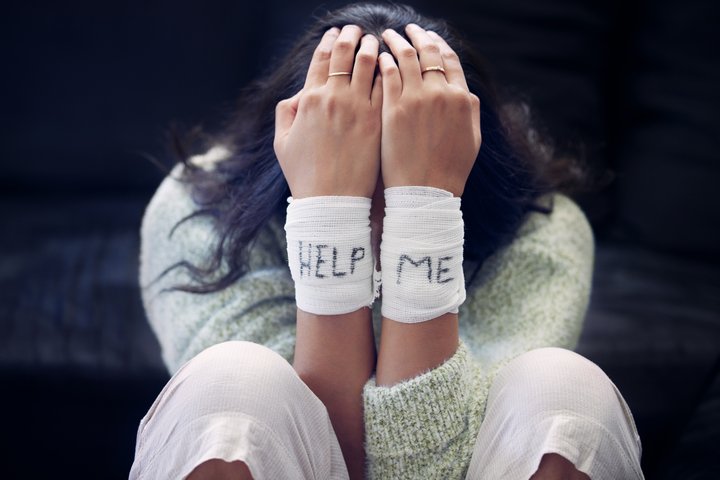
Self-harm is often a coping strategy, not attention-seeking. A trauma-informed look at self-injury, shame, and healing through therapy in New York.
Full Article July 13, 2025
 Dec. 3, 2024
**Trigger warning - This article discusses the desire to commit suicide and how to intervene. It is written in the form of a 1st person account of one who is…
Full Article Nov. 24, 2024
BS"D While the traditional formats of therapy have their place and are certainly important, there are plenty of fun ways you can find healing. Most of these are best done…
Full Article Nov. 20, 2024
Emotions are an intangible, integral, and powerful part of our persona and our ability to fully feel and spark joy is dependent on awareness, memory and vocabulary.
Full Article
July 17, 2024
This is a trigger warning question: My self-harm urges are way out of control. My therapist and psychiatrist are aware of this, but l'd like to hear what a mental health…
Full Article Feb. 25, 2024
You will be cleansed, healed, and blown away from your new insight after our session. Access a deeper level of yourself to reach incredulous joy and a satisfyingly soothing, rich,…
Full ArticleWelcome to our dedicated space for exploring and supporting the Jewish community in navigating the profound and complex experiences of self-harm and suicidal behaviors. Our site features a diverse range of professionals, therapists, and content that look into the nuanced realities faced by Jewish individuals and families dealing with these issues, offering insights and guidance from experts within the community.
The Jewish community, with its rich cultural and religious traditions, faces unique challenges when it comes to the complex issues of self-harm and suicidality. Within this tight-knit community, factors such as stigma, communal expectations, and the interplay between spirituality and mental health can all contribute to the unique landscape of these behaviors.
Jewish individuals and families may grapple with the balance between traditional beliefs, which can sometimes view mental health struggles as a sign of weakness, and the need for open, compassionate dialogue and access to appropriate support services. The desire to maintain a strong communal identity and adhere to cultural norms can also create barriers to seeking help and addressing these sensitive topics.
Furthermore, the Jewish community's history of trauma and persecution can deeply impact the manifestation and understanding of self-harm and suicidal tendencies within this population. Navigating these complexities requires a nuanced, culturally sensitive approach that honors the unique experiences and needs of the Jewish community.
Watch the videos below to gain insights from Jewish mental health professionals, community leaders, and individuals who have personal experiences to share. These resources provide a compassionate and comprehensive exploration of this profound and often misunderstood issue.
Addressing self-harm and suicidality within the Jewish community requires a multifaceted approach that acknowledges the cultural, spiritual, and social factors that shape the experiences of this population. Effective interventions must honor the unique challenges faced by Jewish individuals and families and offer tailored solutions that address their specific needs.
This may include:
By adopting a comprehensive, culturally responsive approach, we can empower Jewish individuals and families to navigate the complexities of self-harm and suicidality with greater resilience, self-compassion, and overall well-being.
Fostering holistic healing and communal support for Jewish individuals and families struggling with self-harm and suicidality requires a deep understanding of the interplay between mental health, cultural identity, and spiritual beliefs. This involves seeking guidance from professionals who have extensive experience working with the Jewish community and are committed to providing culturally sensitive, integrative care.
Through a combination of evidence-based mental health interventions, community-based resources, and the incorporation of Jewish traditions and practices, Jewish individuals and families can address the multifaceted challenges they face. This can include access to culturally competent support groups, integration of spiritual practices into their care plan, and the cultivation of strong support networks within their community.
By prioritizing the unique needs and experiences of the Jewish community, we can empower Jewish individuals and families to achieve optimal mental, emotional, and spiritual well-being. This can lead to improved mental health outcomes, enhanced family and community connections, and a greater sense of empowerment and resilience within the Jewish community.
It is important to note that our professionals are experts in their fields, bringing both clinical expertise and a deep understanding of the Jewish experience to their work.
Our directory features professionals, including Therapists, Psychiatrists & Coaches, who offer culturally sensitive support for those navigating Self-Harm/Suicidality within the Jewish community.
Not a professional member yet? Get listed!