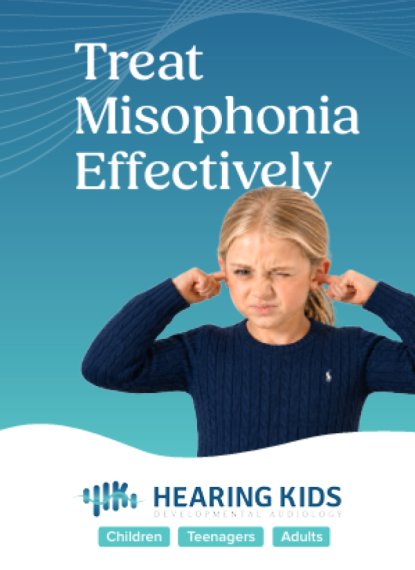
Treating Misophonia
Event Description:
Misophonia treatment can feel frustratingly hit-or-miss when we focus on the reaction without fully identifying what is driving it.
In this practical webinar for mental health professionals, I’ll walk through the differential diagnosis framework for misophonia that I use as a developmental audiologist. This framework helps you move beyond symptom management and toward more targeted treatment planning.
We’ll look at the four underlying contributors I assess for in misophonia cases—sensory, motor, biochemical, and emotional—and how different clients can present with very different combinations. When we understand what is actually fueling the sound intolerance, treatment becomes much more thoughtful, individualized, and effective.
In this session, we’ll cover:
• why a misophonia label is helpful, but often falls short on its own
• the four underlying contributors that can drive misophonia
• why treatment outcomes depend on the quality of the differential diagnosis
• how this framework can help you think more clearly about next steps and referrals
You’ll walk away with:
• a clearer lens for understanding misophonia
• a practical framework you can use to address underlying contributors
• more confidence in identifying when a client may need additional assessment or a more interdisciplinary approach
This webinar is 30 minutes, followed by 15 minutes of live Q&A, and will be held on Zoom.
Whether you work with clients who struggle with sound sensitivity, emotional reactivity to everyday noises, or presentations that may be labeled “misophonia,” or simply want to be equipped to answer the people who turn to you for guidance, this training will give you a more nuanced way to help for effectively.
Event Details:
| Language | English |
|---|---|
| Demographics | Men, Women |
| Ages | Children (6-12), Adolescents (13-18), Adults |
| Concerns | Anxiety, Misophonia, Trauma |
| Approaches | Cognitive Behavioral Therapy (CBT), Functional Medicine, Sound Healing |